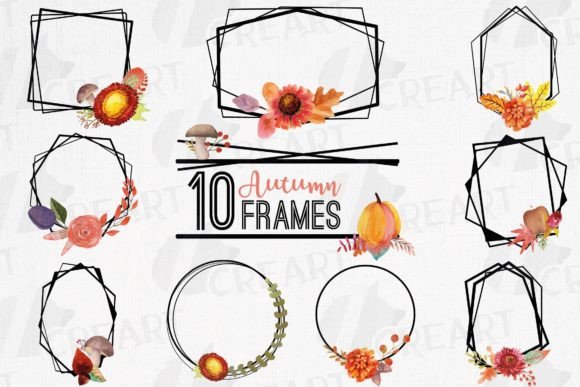
Fall Color Floral Geometric Black Frames
First Impressions: Elegant, Seasonal, and Surprisingly Versatile
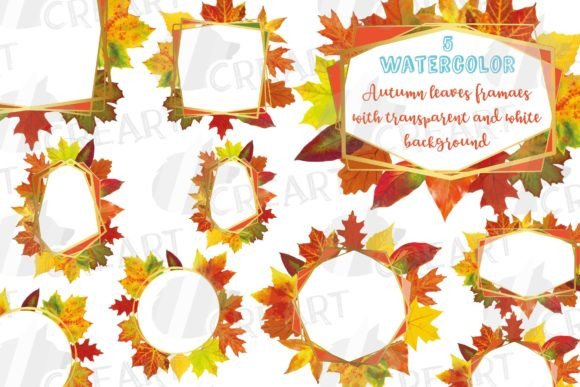
Opening Fall Color Floral Geometric Black Frames, I felt an immediate shift—like stepping into a sunlit autumn studio where watercolor washes meet clean line work. These aren’t just clip art florals; they’re composed templates with intention: soft watercolor blooms nestled inside sharp black geometric frames. The contrast is the point—and it works. It feels refined enough for a boutique wedding guest book cover, yet grounded enough for a hand-embroidered tea towel in a farmhouse kitchen. As a designer who’s stitched hundreds of seasonal motifs, I appreciate how this pack avoids cliché. No pumpkins or falling leaves shouting “fall”—just quiet confidence in color, shape, and balance.
Real Project Test: A Linen Tote Bag for a Local Florist’s Pop-Up
Last week, I used one of the Fall Color Floral Geometric Black Frames designs to embroider a set of linen tote bags for a small-town florist launching her holiday collection. She wanted something that said “handmade luxury” without screaming “seasonal sale.” We chose the medium-sized frame with trailing eucalyptus and muted ochre florals. Stitched on natural linen with matte cotton thread, the black outline held crisp definition while the watercolor-inspired fills softened beautifully under satin stitch. Customers paused—not just to read the logo, but to trace the geometry with their fingers. That tactile pause? That’s the difference between decoration and design.
Where This Design Truly Shines (and Where It Needs Caution)
Fall Color Floral Geometric Black Frames excels on stable, medium-weight fabrics: canvas totes, cotton aprons, structured pillow covers, and baby blankets made from quilting cotton. Its strength lies in its duality—the black frame provides stitching clarity, while the watercolor zones invite thoughtful thread blending. For sweatshirt embroidery or custom apparel, I recommend using it as a focal border rather than a dense all-over motif. On textured fabrics like terry cloth or bouclé, simplify the fill stitch density first. And on stretchy knits? Skip the delicate inner flourishes and emphasize the outer frame—it’s bold enough to carry the design alone.
That said, caution is needed in three real-world spots:
- Small hoop sizes: Several frames include fine interior linework or tight floral clusters. If your smallest hoop is under 4x4”, test the smallest design at 85% scale first.
- Dark or heavily printed fabric: The watercolor effect relies on subtle tonal shifts. On charcoal or navy, those soft gradients can vanish unless you add a light stabilizer layer or adjust thread brightness intentionally.
- Curved surfaces like caps or curved pillow edges: The geometry reads best when flat. If adapting for a curved cap front, isolate the top arch of the frame and drop the lower corners—it keeps the mood without distortion.
What It Adds to Your Finished Product—Beyond Pretty
This isn’t just another embroidery file. Fall Color Floral Geometric Black Frames elevates perceived value. When stitched cleanly, it signals care—not just in execution, but in curation. Etsy sellers tell me customers comment more on “how intentional it feels” than on the flowers themselves. That’s brand consistency in action. For handmade product listings, pairing this design with a simple serif font in mockups creates instant cohesion—no extra branding assets needed. And because the black frame acts like built-in negative space, it photographs well on both light and dark backgrounds, making printable mockups faster and digital previews more trustworthy.
It also builds customer trust. Unlike overly busy seasonal graphics, this pack feels edited—like someone considered scale, rhythm, and breath. That translates to confidence in gifting: a baby onesie with one corner of the frame stitched near the shoulder reads as heirloom, not hobbyist. Same for wedding-related items—think embroidered napkin corners or pillow sham borders. It’s festive without being fleeting.
Practical Designer Notes Before You Stitch
Before committing to your next batch of custom apparel or small shop product, run these checks:
- Test the design on scrap fabric matching your final substrate—especially if using textured, dark, or lightweight cloth.
- Review stitch density in the watercolor zones. Some versions may rely on low-density fill stitches to mimic transparency; adjust if your machine hesitates or your fabric puckers.
- Confirm hoop size compatibility. While the frames are scalable, the inner details shrink fast—don’t assume a 5x7” version will cleanly translate to 3x3”.
- Inspect corners and intersections closely. Geometric lines meeting organic florals can create tiny stitch overlaps—smooth those in your embroidery software if needed.
- Try a black-and-white mockup. Does the composition hold? If the frame disappears without color, consider reinforcing outlines with a split satin or narrow running stitch.
- Check licensing terms carefully. Since this is categorized as Print Templates and Graphics, confirm whether the files are cleared for commercial embroidery use—not just digital resale or printable decor.
A Thoughtful Tool, Not a Trendy Shortcut
Fall Color Floral Geometric Black Frames won’t replace sketching or original illustration—but it *does* solve a very real problem: finding seasonal design assets that feel personal, professional, and production-ready. It’s the kind of embroidery file I keep in my “trusted folder”—not because it’s flashy, but because it’s reliable. Whether you’re prepping for craft fair season, building a holiday product line, or designing a limited-run embroidered patch series, this pack delivers mood, structure, and quiet sophistication. Just remember: even elegant templates need thoughtful translation. Let the black frame guide your placement. Let the watercolor inspire your thread palette. And always—always—stitch a sample first.